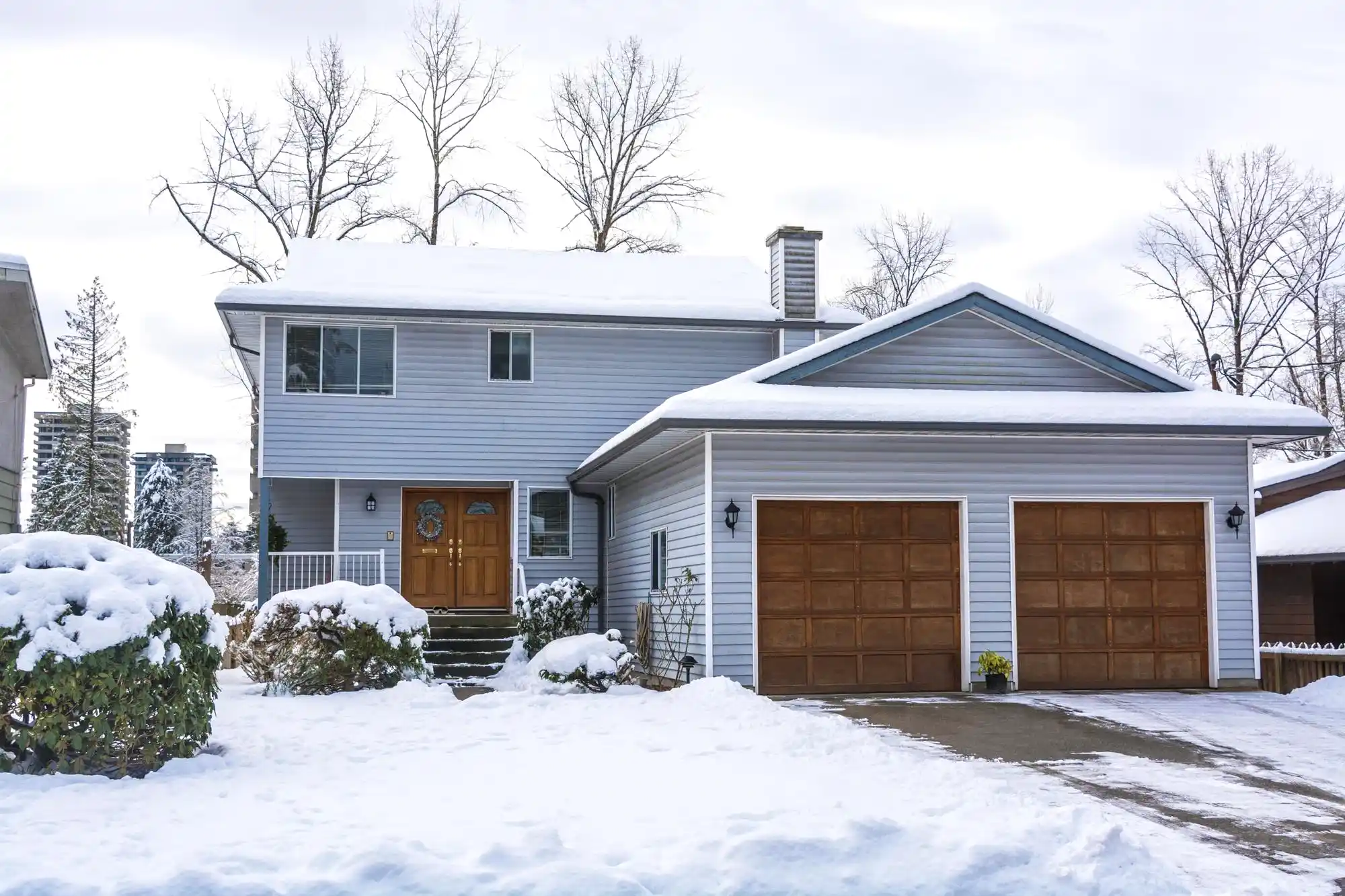
If you own a home in New York, there’s a good chance someone has knocked on your door recently to talk about solar. It’s happening all across the country. For some homeowners, these conversations initiated by door to door salespeople are a helpful introduction to an option they haven’t considered before. For others, the experience feels rushed, unclear, or difficult to evaluate due to high-pressure sales tactics.
This article isn’t about criticizing any company or salesperson. Solar is a long-term decision that impacts your home for decades. But the first interaction often happens unexpectedly, right on your doorstep, with limited time to process the information being presented. Some homeowners walk away interested. Others walk away skeptical. Most are left with more questions than answers.
By the time you finish reading, you’ll have a clear understanding of how door-to-door solar sales typically work, where pricing inconsistencies can come from, and what questions to ask before you sign anything.
Most importantly, we’ll explain why Empire Solar follows a standardized, transparent pricing model designed to eliminate guesswork and give homeowners a consistent experience from start to finish.
Why Door-To-Door Sales Still Exists In Solar
Solar is far from an impulse purchase. It’s a high-consideration decision that involves your home, your finances, and your energy usage. Most homeowners don’t wake up one morning and decide to research solar on a whim. Someone or something usually sparks that interest, and for many, that spark comes from a knock at the door.
In-person conversations can actually be effective for a product like solar. They allow companies to explain the basics in real time, answer questions on the spot, and help a homeowner understand how the numbers apply to their specific situation. For many New Yorkers, that initial conversation is also their first exposure to concepts like net metering, federal and state incentives, or NYSERDA rebates.
The door-to-door sales channel itself isn’t the issue. And door-to-door solar sales aren’t inherently bad. The fact that a company uses direct field sales doesn’t automatically mean something is wrong. What matters is the structure behind the sale, specifically, how pricing is determined, how reps are compensated, and whether the homeowner gets a fair deal regardless of getting started by visiting a website or being visited by a sales representative at their door.
Where The Problem Starts: How Solar Pricing Can Vary
Here’s something that surprises most homeowners:
Two neighbors on the same street, within the same utility zone, with the same roof size and the same electricity usage can receive dramatically different quotes from the same exact company. Not slightly different… Dramatically different. Thousands of dollars apart for essentially the same system.
This happens because solar pricing isn’t always standardized. Unlike buying a car, there’s no fixed sticker price. Equipment, labor, permits, and engineering all have base costs, but beyond that, there’s often flexibility. And because of “flexible” pricing models utilized by some companies, how much a homeowner pays can depend on factors that have nothing to do with their home.
This isn’t a secret in the solar industry. It’s a byproduct of how many solar companies structure their sales operations. Understanding that structure is the single most important thing a homeowner can do before sitting down with any solar rep.
The “Redline” Model Explained
Many solar companies, particularly larger national and regional players, operate on what’s known as a redline model. The redline is the minimum price at which a rep is allowed to sell a system for. It covers the company costs and ensures a baseline profit. Anything above that price is flexible.
But here’s what that means for homeowners:
A rep can sell a system at the redline, and the company still makes money. Or… they can sell that same system for significantly more, and their personal commission increases.
The homeowner pays more.
The company earns the same.
The salesperson earns more.
Anything above the redline goes directly to the rep.
This structure isn’t illegal, and it’s not unique to solar. It exists in car dealerships, insurance, and a number of other industries where pricing flexibility is built into the sales model. But it creates something worth keeping in mind… the person presenting you solar quote has a direct financial incentive to charge you as much as you’re willing to pay.
Why Does The Redline Model Create A Bad Experience For Homeowners?
The most common complaint homeowners share about solar sales is not that they were lied to. It’s that they felt pressured, confused, or unsure whether they’re getting a fair deal. Those feelings are a predictable outcome of the redline model, even when everyone involved is acting in good faith.
When commissions are tied to price, urgency becomes a tool. The goal becomes getting a signature before you’ve had time to compare quotes or talk to someone you trust or who’s already gotten solar panels installed. None of that pressure would be necessary if pricing were consistent from the start.
The confusion only grows when you start comparing quotes from multiple companies. When numbers vary widely, it becomes nearly impossible to evaluate what’s actually included. At this point it becomes easy to question if you’re getting the best equipment or not and whether any of the savings projections are realistic. That confusion protects the salesperson, not the buyer or the installer. At that point, many homeowners don’t move forward at all, not because solar doesn’t make sense, but because they couldn’t confidently evaluate the options.
1099 Sales Reps vs. W2 Energy Advisors
Most door-to-door solar reps are 1099 independent contractors, meaning they’re not direct employees of the company they “represent”. They don’t receive a base salary. Their income is entirely commission-based. That structure creates a specific type of motivation: Close the deal, close it at the highest price possible, and move on to the next door.
That’s not to say that every door-to-door rep is a 1099 contractor. It’s just important to understand that when someone’s income can increase by inflating the project cost, the incentive to maximize that price is built into every conversation. This also doesn’t mean that every 1099 rep is dishonest. Many of them are hardworking people trying to build a career. But the system they operate in creates pressure that ultimately gets passed to the homeowner.
At Empire Solar Solutions, all of our energy advisors are W2 employees. Their compensation is not tied to how high they can drive a quote. There is no scenario where they earn more by charging you more. This is a structural decision we made when we built this company because we understood that as long as compensation was tied to price flexibility, the customer experience would be inconsistent and it would be harder to deliver a perfect customer experience. Instead, our advisors are evaluated on accuracy, system design quality, and long-term customer satisfaction. That structural decision removes the incentive that creates inconsistent experiences in the first place.
How We Built Around This Problem
Empire Solar operates on a standardized pricing model.
That means your quote is based on your home, your energy usage, your roof, and the equipment recommended. It is not based on how the conversation went, what neighborhood you live in, or how quickly an advisor thought you might say yes. Two homeowners with comparable projects get the same pricing. Every time.
We made a deliberate decision not to use independent contractors or flexible pricing structures. While those models can drive faster short-term growth, they also lead to inconsistent outcomes for homeowners, and that was a tradeoff we weren’t willing to make.
Our NYSERDA Platinum Status, one of only a few awarded in New York State, reflects that same commitment. Our installations and contracts are subject to random audits. And we’ve achieved perfect quality scores on every audit for 6 consecutive years. Our mission as a company is to benefit the homeowner at every stage of the process, from the first conversation to the day the system is turned on.
What Homeowners Should Look For
Before agreeing to anything, there are a few questions worth asking:
Ask how the energy advisor is compensated.
Is their income influenced by the final system price? In redline models where earnings scale with project cost, there is a built-in incentive to increase pricing. In more structured models, where pricing is standardized or compensation is less sensitive to small price changes, that incentive is significantly reduced.
One example of a more structured approach is compensation tied to system size rather than price. This creates checks and balances not only around the price you pay, but also around proper system design, helping ensure the system is sized appropriately for your home.
A clear explanation of this structure should be easy to provide. If it is not, that alone is informative.
Ask who is installing the system.
Does the company handle installation directly, or do they subcontract the work to a third party? It’s also important to know if the salesperson works directly for the installer OR if they work for a “sales organization”. A company that sells the job and hands it off to a subcontractor has divided accountability. That gap is where quality control breaks down and where consumers suffer as a result.
When sales and installation are split, accountability gets divided. That’s where quality issues and miscommunication often begin.
A company that handles everything in-house is responsible from start to finish.
Transparency Beats Sales Tactics
Door-to-door solar and online solar aren’t fundamentally different. A well-designed system can be sold through either channel. The sales method is the most important detail. The structure behind the sale is what really determines whether or not you end up with a fair outcome.
What you’re really evaluating when you receive a solar quote is not just the equipment and the price. You’re evaluating the company’s incentives and values. Are they designed to produce the best outcome for you, or the best outcome for the person selling? Those two things are not always the same, and the difference between them can be worth thousands of dollars over the life of the system.
A good system sold the wrong way can still lead to a bad outcome. Rushed decisions, inflated pricing, and inconsistent installation quality aren’t variables that impact just the initial cost, but they linger for the entire installation agreement and system warranty. The sales process matters as much as the product itself, and a company’s pricing structure will tell you more about how your project will go than any pitch they give you at the door.
Final Thoughts: Choose The Process, Not Just The Price
Solar is a 25+ year decision.
Modern panels are designed to perform for several decades so it’s crucial to understand that the company you choose will be the one you call if something ever goes wrong. They’re the one whose warranty either holds up or doesn’t, and the one whose installation quality you’ll be living with long after the sales rep has moved on. These variables should shape how you evaluate every conversation you have about solar, whether it starts at your door or on a website.
The right solar company removes the pressure from the process. They give you the opportunity to review the numbers without pressure and ask questions without manufacturing urgency. They tell you exactly what they’re installing, exactly what it costs, and why.
The process should feel consistent from the first conversation through installation and beyond. Pricing should not change based on who you speak with and the information you receive should be easy to verify. When everything is structured correctly, there is no need for someone to rely on high pressure tactics for you to move forward. That is what allows homeowners to consider solar with confidence instead of second guessing the numbers.
Find Out What You Actually Qualify For
A consistent and transparent process removes any uncertainty and allows you to evaluate solar based on clear, reliable numbers. When pricing is standardized and the person guiding you through the process has no ability to adjust it. Then the focus shifts to what actually matters – your system design, long-term performance, and savings.
If you own your home in New York and your electric bill is above $100 per month, there’s a strong chance solar makes financial sense for you. The only way to know for certain is to look at your actual usage, your roof’s sun exposure, and the incentives available in your specific zip code.
At Empire Solar Solutions, we’ll put together a free, no obligation savings plan for your home. Every one of our Energy Advisors is a W2 employee who has a fixed pricing matrix that cannot be tampered with. This ensures you have the same white-glove level of service as every other homeowner we have helped.
See How Much Solar
Can Reduce Your Monthly Bill