Solar is a major home upgrade, so it’s normal to wonder whether it changes your coverage, raises your premium, or creates something extra you now have to deal with. And because solar sounds expensive on paper, a lot of homeowners assume the insurance side must be a big deal too. Most of the time, it is not.
In this blog, we’ll look at how solar can affect homeowners insurance in New York, what usually changes, what usually does not, and why the impact is often much smaller than people expect.
Why home insurance comes up after solar
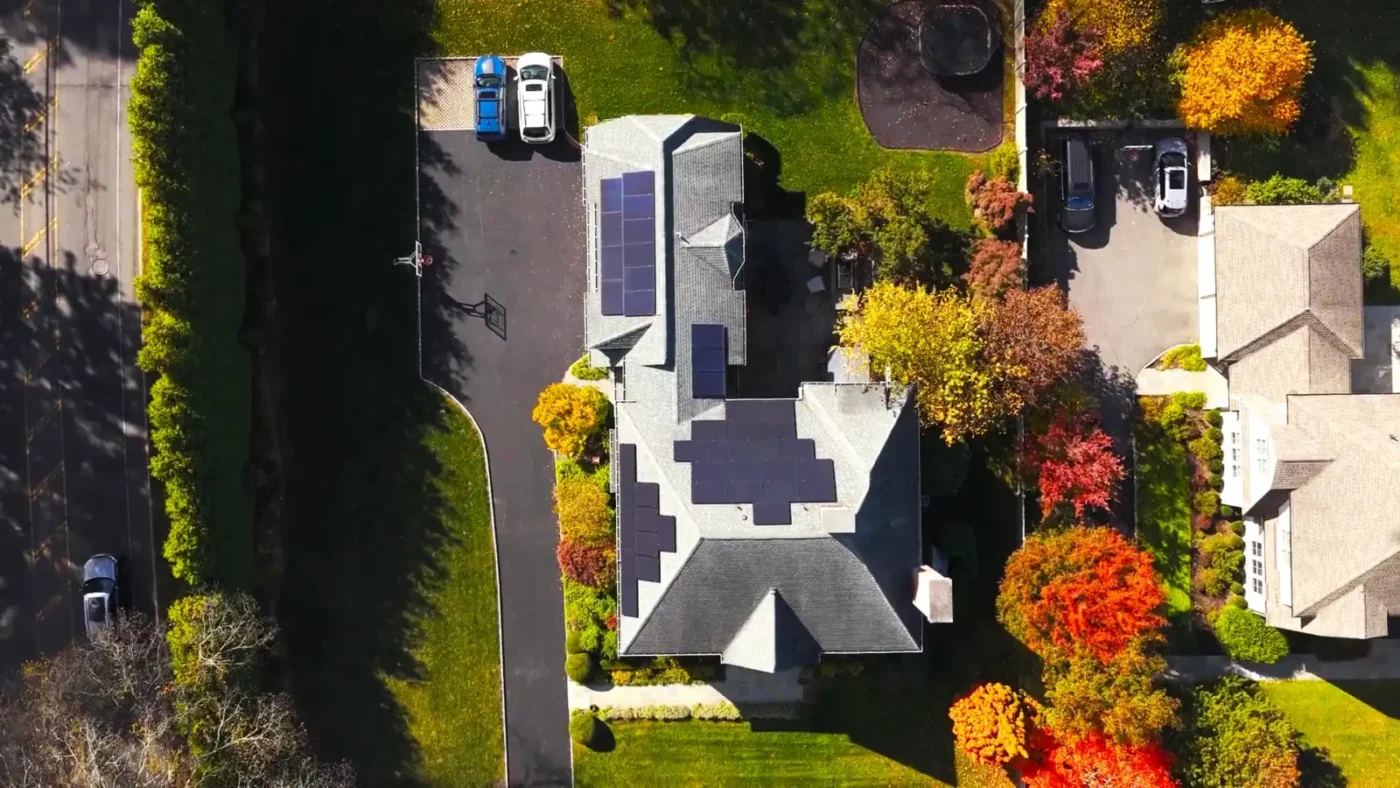
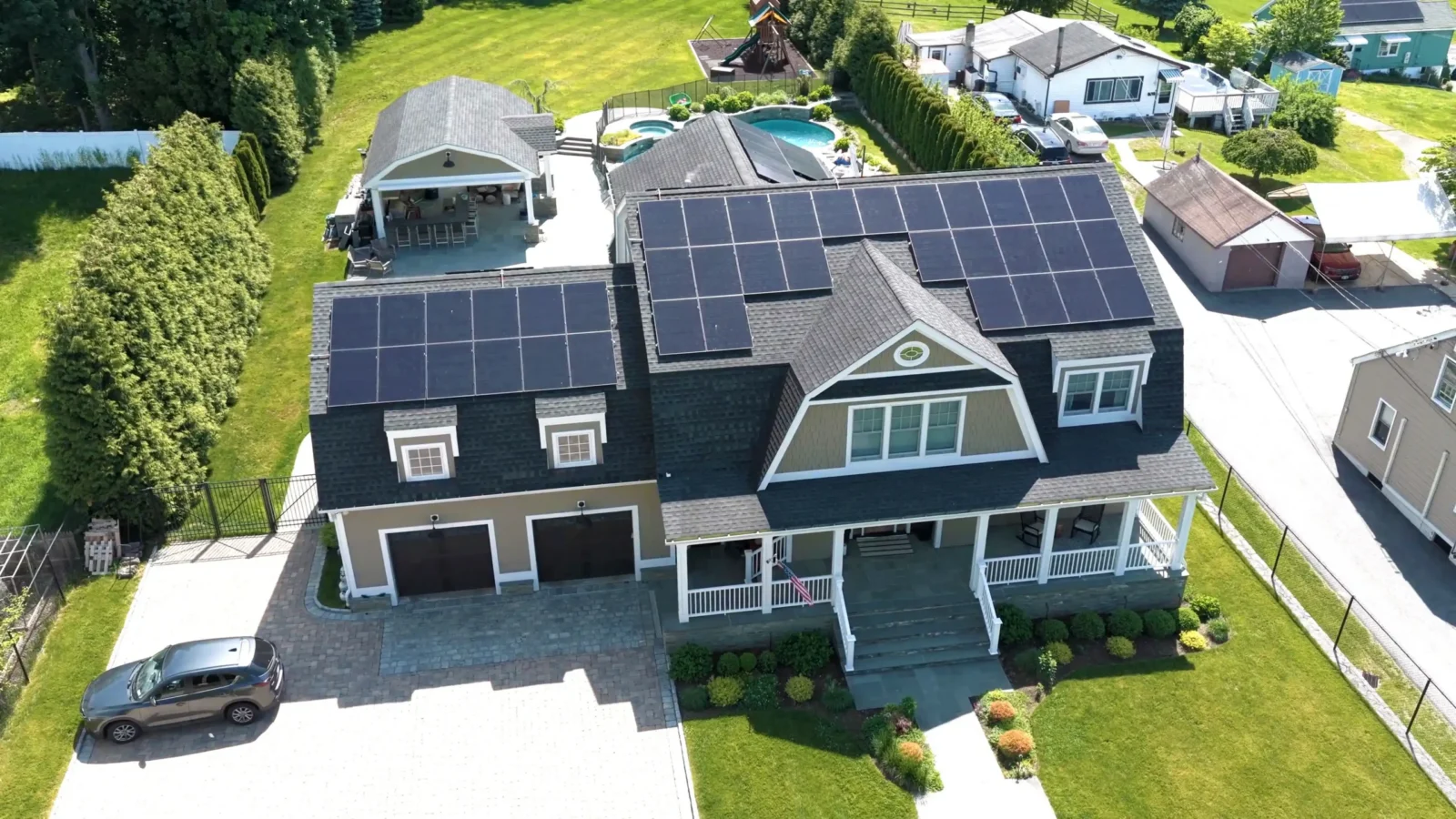
A solar system adds value to your home. If the panels are mounted on the roof, they become part of the property. If there were a covered fire, storm loss, or another event that damaged the house, the solar system could be part of what needs to be repaired or replaced. That simply means your insurance company may want your policy to reflect the home as it exists now, not the home as it looked before the panels were installed. It is less about the panels themselves and more about the fact that the house has changed.
The same general idea can come up when someone finishes a basement, updates a kitchen, puts on a new roof, or builds an addition. Insurance is tied to what it would cost to repair or rebuild the property after a covered loss. When the house changes, coverage sometimes changes too.
What This Usually Looks Like in Real Life
For many homeowners, there is absolutely no change to the policy at all. In most cases, homes are already insured at a strong enough amount, and often overinsured enough, that adding solar does not create a coverage issue or push the home into a different insurance tier.
If your house is already insured for $700,000, $800,000, or closer to $1 million, adding solar does not automatically throw anything off. The insurer may decide the dwelling coverage should be adjusted to reflect the value of the system, but that is not the same thing as the policy being in a bad place or the homeowner suddenly needing a different type of coverage.
And if there is an increase, it is usually small, often just a handful of dollars. So even when something is updated, it is usually just that: an update, not some major insurance change.
Owning the System and Leasing It Can Change Who Handles What
If you own the system, whether you paid cash or financed it, the panels are part of the value added to your home. NYSERDA says homeowners who purchase their system outright or finance it through a loan may be responsible for insuring it, and that this may be done through the existing homeowners or property policy.
If the system is leased or installed under a power purchase agreement, the equipment is often owned by a third party rather than the homeowner. NYSERDA’s guide explains that leases and PPAs are third-party ownership structures, which can change who is responsible for the system itself and what the agreement says about damage, maintenance, and related obligations.
That does not mean the homeowner is off the hook for everything. It means the responsibilities may be split. The provider may insure the equipment itself, while the homeowner still needs to make sure the home insurer knows the system is on the property. It also means the contract matters more. If the panels ever need to come off for roof work, if the house is damaged, or if there is a dispute over who covers what, ownership can matter a lot more than one can expect. NYSERDA specifically advises homeowners to review solar financing agreements carefully for terms and responsibilities.
The roof can matter as much as the panels
In New York, solar and roof conditions are often tied together. A lot of homeowners are not installing solar on a brand-new roof. They are looking at an aging roof and trying to decide whether to replace it first, do both together, or move forward as-is.
That matters because the roof already plays a big role in how insurers look at a home. If the roof is newer, the home may present a different risk profile than it did before. State Farm also notes that certain roofing improvements can lead to discounts depending on materials and other policy details.
So if someone installs a new roof and solar at the same time, the insurance question is not just about the panels. It is about the house being updated in a bigger way. That does not automatically mean the policy gets cheaper, but it does mean the insurer is looking at a home that may be in better condition than it was before.
What New York homeowners should do before or after going solar
Let your home insurer know you are installing solar, or let them know once the installation is complete. Ask whether they need the system value, the installation date, whether it is owned or leased, and whether any other major work was done at the same time, especially roofing work. NYSERDA’s consumer materials are built around exactly this kind of review because financing structure and ownership can change the details.
Also keep the paperwork. The contract, final invoice, ownership terms, and roof documentation are all useful if there are questions later. You do not want to be sorting that out after a claim.
So Does Solar Affect Your Home Insurance in New York?
Yes, it can. But for most homeowners, “affect” does not mean a huge premium jump or some whole new insurance issue. Usually, it means the house has changed, the policy may need to reflect that. For New York homeowners, insurance is usually just one more thing to check off, not a reason to panic. That’s a better way to look at it.