When you fill out a solar quote form online, it doesn’t take long before the calls start coming in. By the evening you might have three or four companies reaching out, and every one of them sounds confident and sends over a savings estimate. Once you look at them side by side, you might notice the numbers don’t match, and none of the companies can explain why.
Most quotes focus on equipment and price, which makes it hard to see how the companies differ in the way they work. Those differences tend to matter more once the contract is signed and the project gets going.
Empire Solar has been installing solar across New York since 2015, and more than 8,000 homeowners have trusted us with their homes. Much of what sets us apart comes from a decision we made early on: to keep every part of the job within our own company, from the first conversation to the years after your system is running.
In-House Team vs. Third-Party Dealers
A lot of homeowners don’t know that the person who sells them a solar system often doesn’t work for the company that installs it. There are sales organizations whose whole business is partnering with installers, signing people up, and getting paid a commission for every contract. Once you sign, your file gets handed over to the installer and the salesperson moves on to the next house. If they gave you a savings number that was too optimistic, or talked you into a bigger system than you needed, you and the installer are left to sort it out without them.
At Empire Solar, the people who sell our systems are our own employees. They work in the same company as the people who design and install your system, so they know what we can deliver. If you have a question six months later about something they told you, you can call and they’ll still be here to answer it.
Solar Installation Done by Our Own Crews, Not Subcontractors
Installation is often handled the same way. A company can sign your contract under its own name and then pass the job to whatever subcontracted crew has an open week, and many people only find out when a truck with a different logo pulls into their driveway.
Every one of our projects gets installed by our own installation crews. They’re trained by us and follow our standards, and if something needs to be adjusted after the install, we take care of it ourselves instead of going back and forth with a subcontractor about whose fault it was.
Roofing, Electrical Panel Upgrades, and Tree Removal Before Going Solar
When someone comes out and walks your property, issues can come up that nobody mentioned on the phone. An aging roof is one of the most common. There’s little sense in installing panels on shingles that will need replacing in a few years, since the whole system would have to come off first. Older homes also tend to have electrical panels that weren’t built with solar in mind, and in neighborhoods with mature trees, shade often ends up costing more production than homeowners expect.
With many installers, figuring all of that out becomes your job. You hire a roofer, an electrician, and a tree company separately, and your solar project waits until all of them are finished. We handle roofing, electrical upgrades, and tree removal ourselves, so everything stays part of one project on one schedule.
Installing Solar in New York Since 2015
When Empire Solar started in 2015, residential solar in New York was a much smaller market than it is today. Since then the state’s incentive programs have been reworked more than once, the rules for how homeowners get credited for their solar power have changed, and a long list of companies have come into the market and left it again.
Working in one state for over a decade gives you knowledge that a newer company has to pick up on someone’s project. Every utility in New York has its own interconnection process, and every town has its own building department with its own requirements and timelines. Our team has been through them many times, and that experience is often what keeps a project moving instead of sitting for weeks on a missing form or a rejected permit.
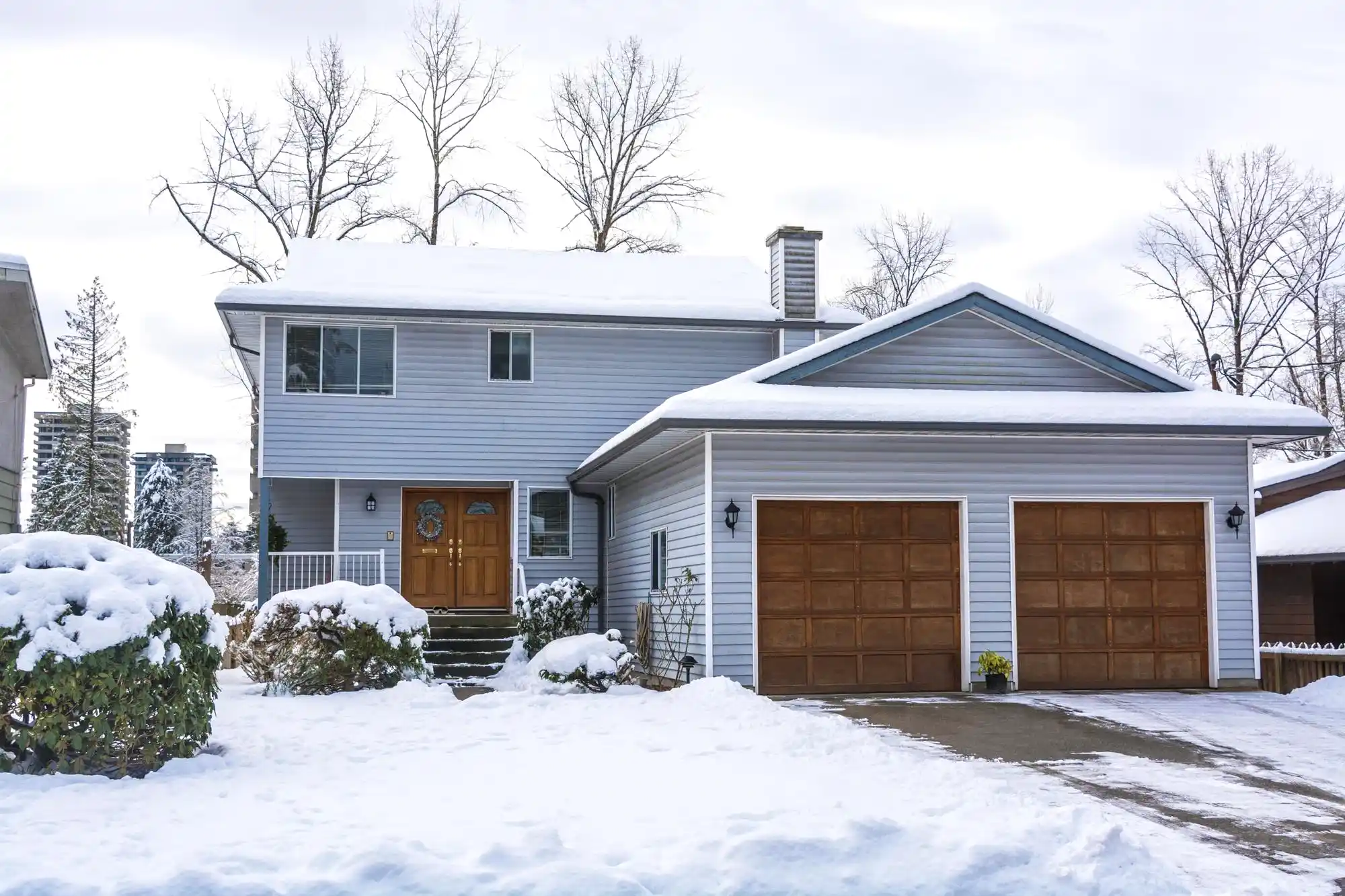
We’ve also had years to watch how our systems hold up after installation, through heavy snow loads, summer storms, and the freeze-and-thaw cycles that are hard on anything mounted to a roof. What we’ve seen over that time has shaped how we design and install every system today.
What NYSERDA Platinum Status Means for New York Homeowners
NYSERDA, the New York State Energy Research and Development Authority, runs the NY-Sun program that provides solar incentives across the state. It also keeps track of how well the contractors in that program actually do their jobs, and it recognizes the ones who consistently do them well.
The first level is called Quality Solar Installer, or QSI. To earn it, a contractor has to be an active, full-status solar builder in the NY-Sun program, complete at least 12 projects through NY-Sun within the past calendar year, and hold an average field inspection score of 4.0 out of 5 on inspections NYSERDA performs itself. Those inspections are done by the state, not by the company, so the score reflects what inspectors found on real roofs rather than what the installer says about its own work.
The designation also isn’t permanent. Contractors have to meet the QSI criteria every calendar year, and if they fall short, their status drops from QSI installer back to participating installer. Staying on the list means doing consistent work year after year.
Platinum sits above that. Gold Status goes to installers who have held the QSI designation for three consecutive years, and Platinum Status goes to those who have held it for six consecutive years. Six straight years of meeting the state’s standards is hard to do, and only a small number of contractors in New York have reached it. Empire Solar is one of them.
For you, it means a few things. Your installer has a long, independently checked record of work that passes state inspection. It knows the NY-Sun incentive process well, which helps your paperwork move without delays. And you don’t have to take our word for any of it, since NYSERDA publishes its contractor list and you can check the status of any company you’re considering. When homeowners use NYSERDA’s filtering tool to find contractors serving their county, Platinum and Gold installers appear first.
Long Term Warranties
When solar companies talk about warranties, they usually lead with the equipment. Panel manufacturers commonly offer coverage for 25 years or more, and inverters and batteries come with their own manufacturer warranties. Those matter, but they only cover the products themselves.
What equipment warranties don’t cover is the installation. If a wire connection loosens or racking shifts after a hard winter, that falls under the installer’s workmanship warranty, and this is where companies differ the most. Some offer only a few years of workmanship coverage, and others leave it vague in the contract. It’s also the part of the warranty most homeowners end up needing, since installation problems tend to show before a panel wears out.
Empire Solar offers an extended workmanship warranty. Because our own crews do every install, our workmanship warranty covers work we did ourselves. When a question comes up, you call us, and we send our people to take care of it. And because we’ve been in business for more than a decade, you can reasonably expect us to be around for the length of the warranty we give you.
Free Electric Bill Review After Your Solar Installation
Many companies consider the job done once your system is turned on. For homeowners, questions often come up a month or two later, when the first utility bill arrives with charges they weren’t expecting. Net metering credits, delivery fees, and supply charges are hard to make sense of on the page, and we wrote a separate post walking through a real electric bill to show how much of it is delivery.
After your system is running, we’ll go through your actual bill with you at no cost. We’ll explain what solar changed and what it didn’t, and we’ll check that your system is producing what we estimated. If something looks off, we’ll find out why.
How to Choose the Best Solar Installer Near You in New York
Price matters, but it shouldn’t be the only thing you compare. When you talk to installers, ask whether their salespeople and install crews are their own employees, how long they’ve been working in New York, and what they would do if your roof or electrical panel needs work first. Ask how long their workmanship warranty lasts and what it covers, separately from the equipment. It’s also worth looking each company up on NYSERDA’s contractor list to see whether it holds Gold or Platinum status. A company that’s confident in how it operates will answer all of this easily.
If you’d like to hear how we’d approach your home, book a free consultation. We’ll look at your house and your recent bills and tell you exactly whether solar makes sense for you right now.