For nearly a decade, we told homeowners that solar batteries weren’t efficient enough to justify the cost of pairing them with a home solar upgrade. Early battery products were expensive, bulky and didn’t store nearly enough power to compete with whole home generators.
But that’s no longer the case.
Battery storage has come a long way. With the release of Tesla’s Powerwall 3, along with generous incentives from NYSERDA, battery storage has become a hot topic among New York homeowners. Especially when considering equipment for a solar panel installation.
And with more frequent power outages across the state, driven by aging infrastructure and rising demand, these advancements couldn’t have happened at a better time.
If you’ve been on the fence when it comes to adding a battery with solar, this article will walk you through what’s changed, and whether it’s still worth waiting.
Why Battery Storage Didn’t Make Sense Until Now
For a long time, batteries didn’t make financial sense. They were expensive, limited in capacity, and power outages didn’t occur often enough to justify the added expense.
The early models had such limited capacity that a homeowner often needed several units to meet the performance of a single standalone gas generator. So for those who live in an area where power outages are rare, it was easy to convince yourself to wait for the technology to improve.
But the landscape has shifted fast in just a few short years. Newer technologies and rebate programs have made adding a battery to your solar project a no-brainer in most cases.
What Changed?: The Powerwall 3
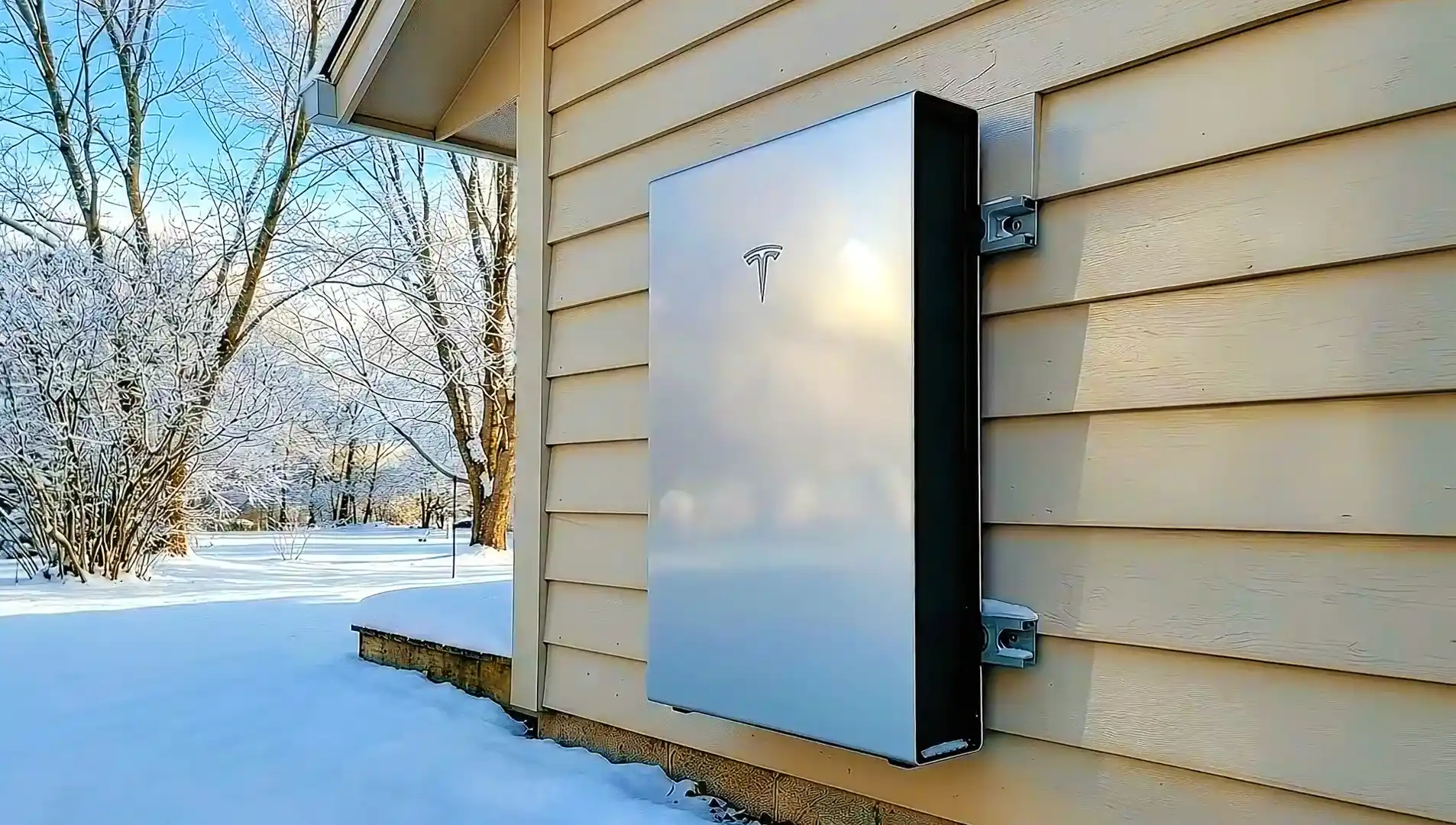
The Tesla Powerwall 3 has completely changed how homeowners think about solar battery storage. It offers more capacity, higher efficiency, and smarter energy management than anything that came before it.
Each unit stores 13.5 kilowatt-hours of usable power. This is typically enough to keep essential appliances running during long outages and, in many cases, power your entire home when combined with solar.
Unlike previous versions, the Powerwall 3 comes with its own built-in inverter, which means it connects directly to your solar array without the need for extra equipment. Not only does this reduce installation costs but it can also improve overall performance. It charges automatically during the day from your solar panels and provides power to your home at night or during blackouts.
Once you add in its improved durability and 10-year warranty, the Powerwall 3 is easily the most reliable home battery ever built.
Power Grid Instability and Rising Utility Rates
Even if you don’t experience regular blackouts, the grid that delivers our electricity is becoming increasingly fragile.
New York’s electric utilities are under immense pressure to modernize an aging infrastructure that was never designed to handle the type of demand we’re seeing today. Between electric vehicles, heat pumps, and massive data centers used to power AI, energy consumption is growing at a seemingly uncontrollable pace.
And when demand increases faster than supply, costs increase… fast.
That mismatch between demand and supply is already showing up on your utility bill. Utility companies are already warning their customers about more rate hikes and grid congestion over the next few years. Delivery charges, supply charges, and infrastructure fees – it’s all getting passed on to homeowners in the form of higher rates. And the trend isn’t slowing down.
Meanwhile, extreme weather events are causing more outages. And power companies who were once known to be “reliable” and “fast to respond” are now warning customers to expect longer delays while they repair the grid.
Solar plus battery storage gives homeowners the ability to protect themselves from these problems before they escalate further. When the grid fails, your battery automatically takes over, keeping your lights on, your refrigerator running, and your family comfortable until the power comes back.
Incentives Are Still Extremely Generous
One of the biggest reasons battery storage makes sense today is the support that’s still available to help cover the cost.
The Federal Investment Tax Credit still covers 30% of the total battery cost when installed with solar.
On top of that, NYSERDA offers direct incentives that can reduce your costs by as much as $5,000, depending on your utility zone and system size.
Combined, these programs can cover a large portion of the total battery cost. And when you factor in the savings from not needing a separate inverter for your installation, the additional cost of adding a Powerwall becomes almost negligible.
But like most state-backed incentive programs, NYSERDA’s funding is not unlimited. It’s offered in blocks, and when one block is used up, the next tends to offer less. Homeowners who take advantage now will see the best pricing and fastest return on investment.
Why Waiting Could Cost You
Many homeowners are still waiting for battery prices to drop. But the harsh truth is that they will most likely increase in the next few years.
The cost of materials, lithium, and manufacturing has stabilized. The price of lithium, a key component in batteries, isn’t expected to fall dramatically in the coming years. And unlike the early days of solar, the basic components of home batteries have already matured to the point where there’s not much more cost-cutting left to squeeze out of manufacturing. That means the technology may improve slightly over time, but prices aren’t expected to decline the way they did with early solar panels.
At the same time, electricity rates in New York continue to rise year after year. So while you wait, you’re not saving, you’re just continuing to spend more with your utility company instead of investing in your own power.
By the time the “next generation” of batteries hits the market, the money you’ve spent on higher electric bills could have gone toward owning your own system. And if NYSERDA funding dries up or federal incentives get scaled back, the total cost of waiting becomes even harder to justify.
Solar + Battery = Energy Independence
The biggest benefit of pairing solar with a battery is control. You’re producing and storing your own power instead of depending on the grid.
When you produce and store your own electricity, you no longer depend entirely on the grid. You control your energy costs, you protect your home from outages and you keep your family comfortable even when everyone else on your street is sitting in the dark.
For homeowners who already have solar, adding a battery completes the system. For new customers, it’s the most effective way to future-proof your home.
Empire Solar customers who install batteries often tell us the same thing: they sleep better at night knowing they’ve taken control of their power. They don’t worry about rate hikes or outages. They don’t panic when the storm rolls in or the lights flicker. Their homes keep running, and they never have to think twice about it.
Final Thoughts
Battery technology has already reached the point homeowners were waiting for. It’s now reliable, proven, and most importantly…it’s affordable when combined with today’s incentives.
With programs from NYSERDA and the federal government still active, there has never been a better time to combine solar and battery storage.
Every year that passes, utility rates rise and incentive programs shrink. The next generation of batteries won’t make a meaningful difference in cost or performance but the grid’s problems will keep getting worse.
If you’ve been waiting for the right time to add a battery, this is it.
See How Much You Could Save With Solar & Battery Technology
Click below to get your free Solar & Battery Savings Report. We’ll show you how much backup power your home needs, how much you can save with the Tesla Powerwall 3, and how to take advantage of NYSERDA’s limited incentives while they last.
Get My Solar & Battery Savings Report →