When receiving a solar proposal, most people don’t read it from the first page to the last page. They quickly scan it, look for the monthly payment, the number of panels, the estimated savings, and maybe the picture of the roof. Solar proposals can be long, and a lot of them are filled with charts, production graphs, financing language, and equipment names that do not mean much unless someone explains them.
The problem is that the easiest numbers to notice are not always the most important ones. A low monthly payment can hide a higher total project cost. A big savings estimate can depend on aggressive assumptions about future electric rates. On the surface, several quotes may all look reasonable, but underneath, they may be built very differently.
A solar proposal is not just a quote. It is the plan for a system that will be attached to your home for decades. It needs to show how the system was designed, what it is expected to produce, how the financial side works, and what equipment is actually being installed. When those details are missing or vague, it becomes much harder to know whether you are comparing real value or just comparing sales presentations.
The five details below usually tell you whether the quote was built carefully or rushed together to get a signature.
1. A system design that matches your roof and your usage
The system design is the starting point for the entire proposal. It affects the production estimate, the savings estimate, the equipment needed, and, as a result, the financing portion as well. A proposal that only gives you a system size without explaining the design is leaving out too much context.
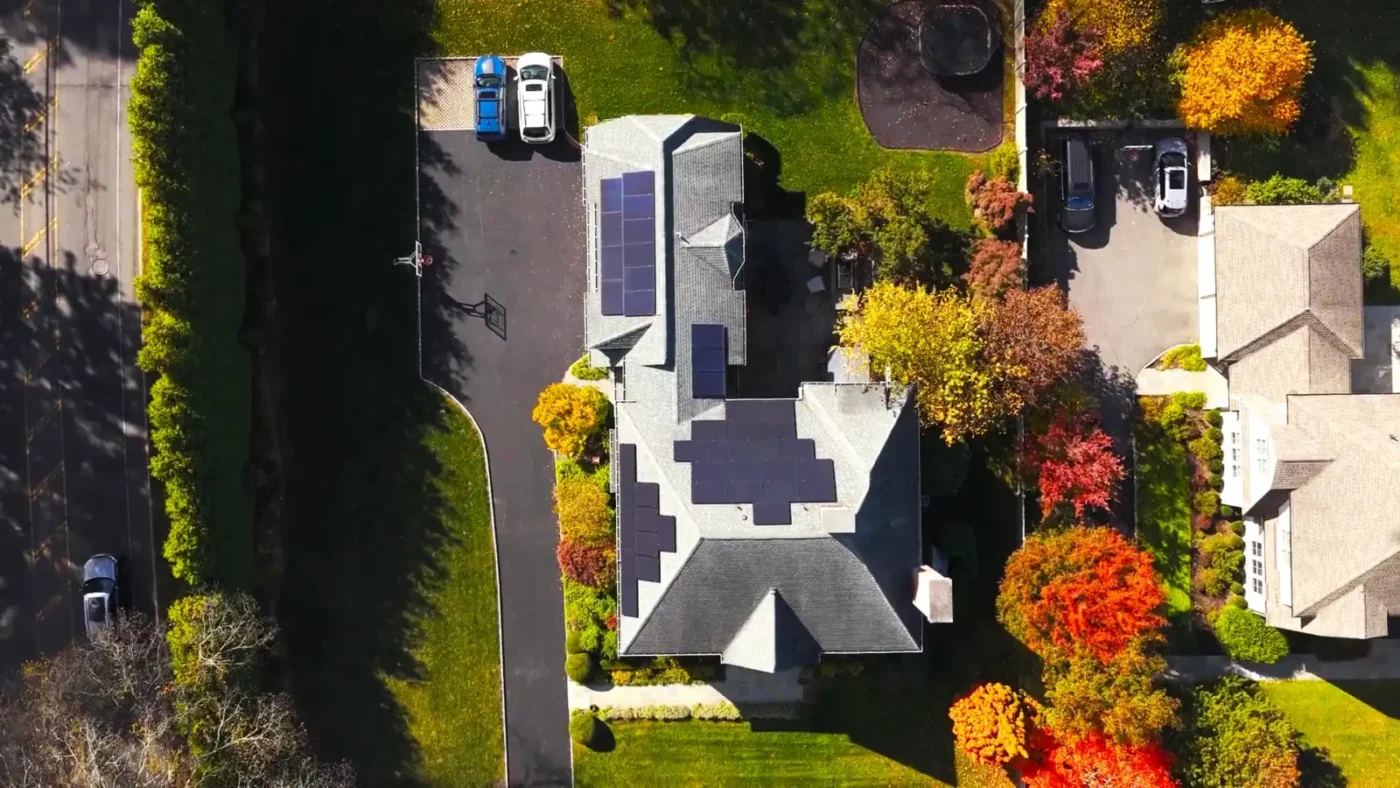
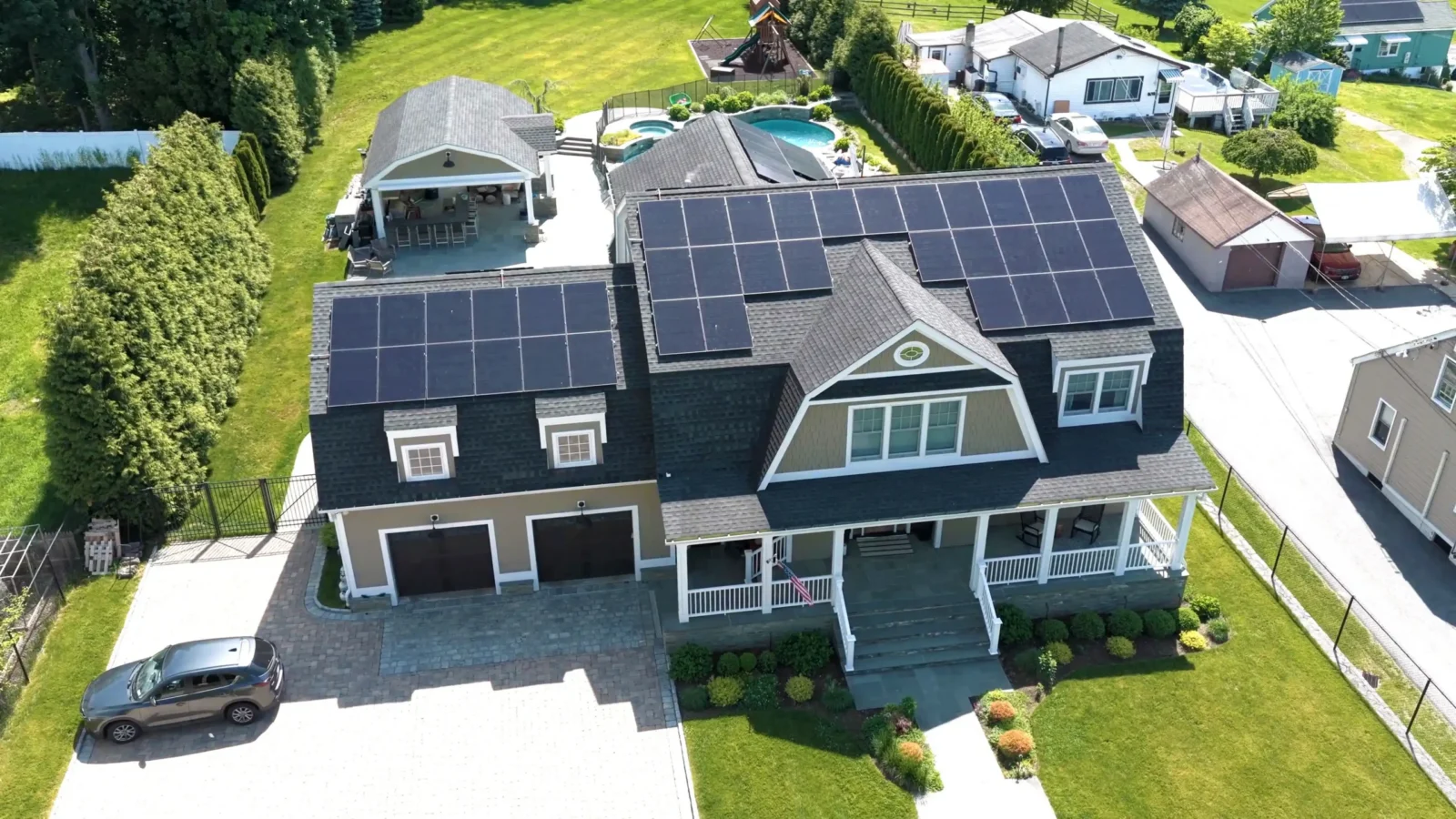
A complete design includes the system size, the number of panels, the expected annual production, and a layout showing where the panels will be placed. It also takes into account the roof itself. Shading, dormers, vents, chimneys, skylights, and nearby trees all affect how much energy the system can produce. Solar panels do not perform the same on every roof, even when the homes are similar in size.
Your electric usage also has to be part of the design. A home using 6,000 kWh a year does not need the same system as a home using 14,000 kWh a year. Central air, electric heat, a pool pump, a hot tub, a workshop, or an electric vehicle can all change the size that makes sense. The production estimate deserves attention as well. A proposal may say the system is 9 kW or 12 kW, but the annual production in kilowatt-hours is what connects the system to your electric bill. A larger system does not automatically mean better savings if the roof conditions are poor or the design is not efficient. The proposal needs to show what the system is expected to produce in a normal year and how that compares to your usage.
2. The full cost, not only the payment that looks easiest to accept
Solar is often presented through the monthly payment because it gives homeowners an easy way to compare it to their current electric bill. That comparison can be useful, but it is not enough on its own. A proposal needs to show the total system cost clearly. It also needs to show the financing option being presented, the payment amount, the term length, the down payment if there is one, and whether the payment is fixed. If there are different ways to pay, such as cash, financing, or financing to own, those options should be separated clearly enough that you can compare them.
You should not have to search through the proposal to find the actual cost of the project. A homeowner deserves to know the price before incentives and the estimated price after incentives.
A clear financial section gives you the full picture without forcing you to decode it. It shows what the system costs, how the payment is calculated and how long the payment lasts.
3. Incentives explained in plain language
Incentives can make a major difference in the final cost of a solar project, but they are also one of the most misunderstood parts of a proposal. A proposal that simply subtracts a large incentive amount from the price without explaining it is not giving you enough information.
It is not enough to know the incentive amount. Homeowners also need to know how that value is being used. Is it lowering the project cost right away? Is it something you may claim later? Does it depend on your tax situation, your utility, your location, your income, or whether battery storage is included? Those details change how the proposal should be read, especially when the final price is shown as one clean “after incentives” number.
This is especially important with financing. If the proposal assumes that an incentive will be applied to the loan later, the homeowner needs to understand what happens if that does not happen. The payment may change, the loan may be recalculated, or the homeowner may be expected to make a separate payment. Those are not details to figure out after the project is already underway.
Incentives also change over time, and availability can depend on location, utility territory, project details, and program funding. A proposal should be careful about what is guaranteed and what is estimated. Stronger proposals explain the incentive structure clearly instead of using the incentive number only to make the project look cheaper.
The incentive section should leave you with a realistic understanding of the price and a clear explanation of what is included, how it applies, and what the homeowner is responsible for.
4. Savings based on actual electric usage
A savings estimate is only useful when it starts with the homeowner’s real electric usage. Your electric bill shows how much power the home uses, what the current utility charges look like, and how usage changes during the year.
A proper proposal uses that information to estimate how much of the home’s usage the solar system can offset. It connects the annual production estimate to the actual annual consumption. It also gives a realistic picture of what may remain on the utility bill after solar.
That is important because solar does not usually make the utility bill disappear completely. Homeowners may still have connection charges, delivery charges, minimum charges, taxes, or months where usage is higher than production. A proposal that makes the bill look like it goes to zero with no explanation is oversimplifying the way solar works.
Usage changes should also be part of the conversation with solar companies. If you plan to add an electric vehicle, finish a basement, install a heat pump, or change how the home uses energy, the proposal may need to account for that. If your usage is expected to stay the same, the system should be sized around that reality instead of a guess.
5. The equipment and warranty details should be specific
The equipment section should tell you exactly what is going on your home. General phrases like “premium panels,” “Tier 1 equipment,” or “25-year warranty” are not enough by themselves. They sound reassuring, but they do not tell you what product is being installed or how it compares to another proposal. A complete proposal names the panel brand and model, panel wattage, inverter brand and type, and battery equipment if storage is included. Those details matter because equipment affects performance, monitoring, warranty coverage, service options, and long-term reliability.
The inverter should be named in the proposal too. It is one of the main parts of the system, and the type being used can affect performance, monitoring, and how the system handles shade or different roof sections.
Warranty information should be broken down in a way that makes sense. Panel product warranties, panel production warranties, inverter warranties, battery warranties, racking warranties, and workmanship warranties all cover different things. A long warranty number does not mean everything is covered the same way for the same length of time.
The workmanship warranty is especially important because it comes from the installer, not the equipment manufacturer. It relates to the quality of the installation, including mounting, roof penetrations, wiring, and the labor involved if something needs to be corrected later. A strong equipment warranty does not replace careful installation.
Take the proposal seriously before the contract
The proposal should give you enough information to ask better questions before anything is signed. If a number seems unclear, ask where it came from. If an incentive is shown as part of the price, ask how it is applied. If the equipment is described in broad terms, ask for the exact model. A good company will not be bothered by those questions.
Solar is a long-term decision, and the proposal is not just paperwork to get through on the way to installation. It is the part of the process where the design, the cost, and the expectations should become clear. Taking a little more time with it can save you from choosing a quote that looked good at first but did not hold up once the details mattered.
Want to see what a complete solar proposal would look like for your home? Get your Free Custom Solar Savings Plan and compare your options with real numbers before making a decision.